Dale Coates, CEO and President at The Tag and Label Manufacturers Institute (TLMI), discusses industry trends. The label and packaging industry is entering a period of meaningful transformation. What once revolved around a single product category, labels, now encompasses a broader range of packaging formats shaped by shifting consumer expectations, sustainability pressures, and rapid changes in brand behaviour.
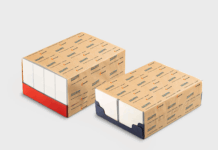
Converters are applying the craftsmanship and technical rigour of label production to adjacent formats such as flexible packaging and folding cartons. These shifts are not driven by technology alone; they stem from the changing needs of brands seeking partners who can offer speed, creativity, and a broader range of packaging solutions under one roof.
Industry Landscape: Expanding Value Through Capability
While labels remain the backbone of narrow web operations, the industry’s value proposition is expanding as is the width considered narrow and the technologies used. Today’s converters serve brands that navigate SKU complexity, redesign cycles, sustainability commitments, and growing expectations for supply chain agility. These pressures reward partners who can respond quickly and deliver consistent quality across multiple packaging types.
The capabilities that have long defined the label community: attention to detail, responsiveness, and operational discipline, are increasingly being applied across a wider packaging spectrum. As a result, many converters are repositioning themselves not simply as label producers, but as packaging partners with broader reach and deeper strategic relevance.
Key Forces Shaping The Next Decade
Convergence Across Packaging Formats
The boundaries between labels, sleeves, flexible packaging, and cartons are becoming more fluid. Converters are reshaping their businesses to reflect the way brands now buy packaging. This convergence is transforming workflows, customer relationships, and long-term business strategies. Narrow web operations are becoming multiformat production environments supported by complementary print and finishing technologies.
Sustainability As A Central Driver
Driven by regulation and consumer demand, sustainability is no longer an optional initiative. It is rapidly becoming an essential component of how converters operate and how brands evaluate partners. The move toward recyclable substrates, reduced waste, and lower impact materials continues to accelerate.
This shift is expanding opportunities for converters that embrace data-driven sustainability programmes and invest in environmentally aligned equipment and processes. As regulatory frameworks tighten, these capabilities are increasingly tied to competitive advantage.
Customer Expectations For Agility And Insight
Brands want more than production. They want guidance. The converters gaining momentum are those that can support rapid change, offer packaging solutions across formats, and bring data, insight, and problem solving into the relationship. This shift elevates the role of the converter from supplier to strategic collaborator.
Redefining What It Means To ‘Label’
The meaning of ‘label’ has expanded. It no longer describes a single product. It describes capability. Label converters serve as creators of pressure sensitive constructions, flexible packaging, folding cartons, and a growing range of packaging solutions including all forms of tags and labels.
This broader definition reflects the reality of modern narrow web production: the ability to label is the ability to decorate, protect, inform, and differentiate packaging across multiple formats.