According to Traderbag, a company that locally sources its materials and manufactures bags using Forest Stewardship Council (FSC)-certified material, paper packaging can play an important role in a circular economy while supporting local manufacturing, economic growth and job creation.
Traderbag began supplying paper shopping bags to major clothing brands in 2025 and currently supplied millions of bags a year to the fashion sector alone.
The company locally sources its materials and manufactures bags using Forest Stewardship Council (FSC)-certified paper, water-based inks and locally produced paper.
Responsible Paper Starts With Responsible Sourcing
Traderbag managing director Daniel Cherry says the idea that using paper automatically means damaging forests is outdated.
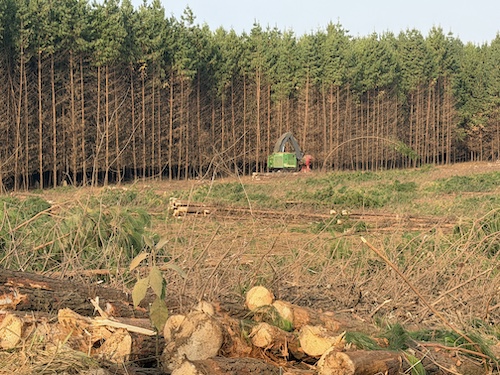
‘The key question is where the paper comes from. Responsible paper producers use managed commercial forests where trees are grown as a renewable crop. The message shouldn’t be ‘don’t use paper because you’re killing trees’. It should be: use responsibly sourced paper efficiently, reuse it where possible and recycle it when you’re finished.’
Traderbag works closely with local paper producers, Sappi, recognising that the sustainability and performance of a paper bag start with the quality and provenance of its raw material.
The company’s directors recently visited Sappi’s Ngodwana operations, including Ngodwana Energy, in which Sappi has a 30% stake. The facility uses biomass recovered from surrounding plantations and screened waste from the mill to generate electricity, with surplus power exported to the national grid.
Water management is another important part of the sustainability equation.
‘Paper production does use water, but the important question is how that water is sourced, managed, reused and returned,’ said Cherry. ‘Sappi mills can recycle and reuse water multiple times and have made significant reductions in water withdrawal.’
Sustainability Must Work Commercially
Cherry said sustainability is about more than the material used to make a bag.
‘A sustainable bag is no good to a retailer if they run out of stock or it doesn’t perform. That is why we combine the paper product with forecasting, stockholding, custom sizing and direct-to-store distribution. Sustainability has to work commercially as well as environmentally.’
FSC certification also provides retailers with a credible way to substantiate their sustainability claims.
‘For us, it is about chain of custody. FSC provides a traceable link from the responsibly managed forest through the paper producer and converter to the finished product.’
Paper And The Fashion Sector
Traderbag sees fashion as a natural market for paper bags. The products being carried are generally dry and relatively lightweight, while the bag itself becomes part of the customer experience and continues to display the retailer’s brand after the purchase.
But Cherry stresses that choosing the right paper bag is not simply a matter of selecting the heaviest or thickest paper.
‘The bag’s purpose is the starting point. Size, construction, handles and reinforcement all need to be considered. The goal is to find the most efficient combination that delivers the required strength, appearance and performance without unnecessary material or cost.’
For Traderbag, that is the essence of sustainable packaging: responsibly sourced materials, efficient manufacturing and a product that works for both the environment and the business.
TRADERBAG
https://www.traderbag.co.za